‹LIME›
TUNALEE
Time far away from me. I dream of conversing with something I have discovered from a distant past that I did not live through, yet cannot say I was untouched by it. To feel the
connection to it, I pour my affection into the land and places that embrace it, which belong to that time. A discovery from a trivial clue brings back the story of a vanished place; from
there, I redraw a future that has been cut off.
Here is a place that has disappeared. As of August 2024, the site formerly addressed as 659-beonji, Choryang 3–dong, Irwon, has become a thing of the past. My home, a place in
the heart for both my life and my family’s, has now gone. All the small two–story houses and alleys that led to them are no longer present.
To seek materials that were once part of the world that used to be there, I dig into the past from where I stand now. I gather things that have become visible only after being torn
into pieces, and reassemble them into a new visible whole. To do so, I trace where, when, and how they have come.
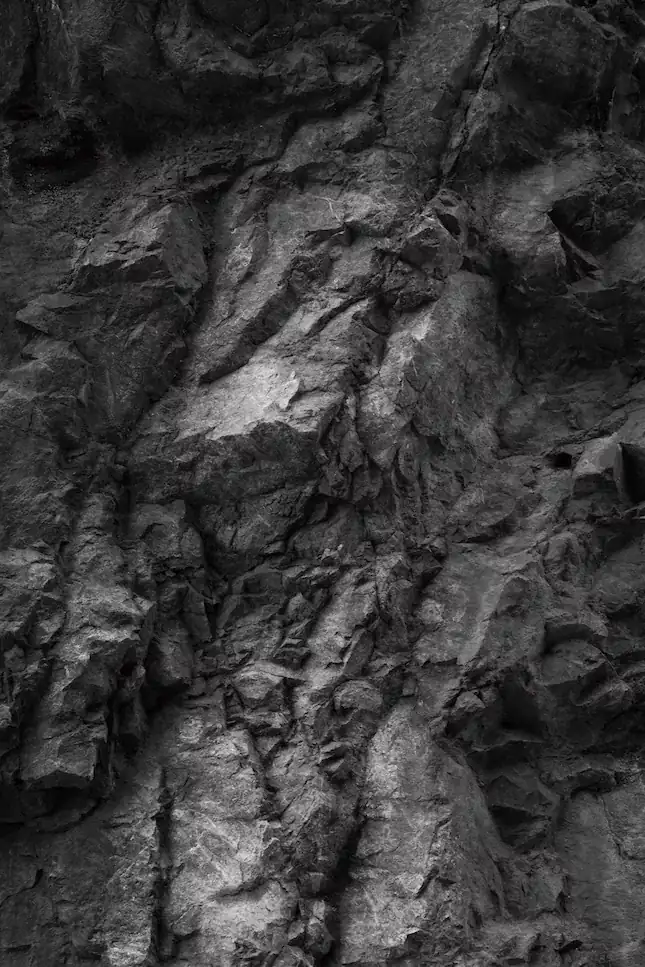
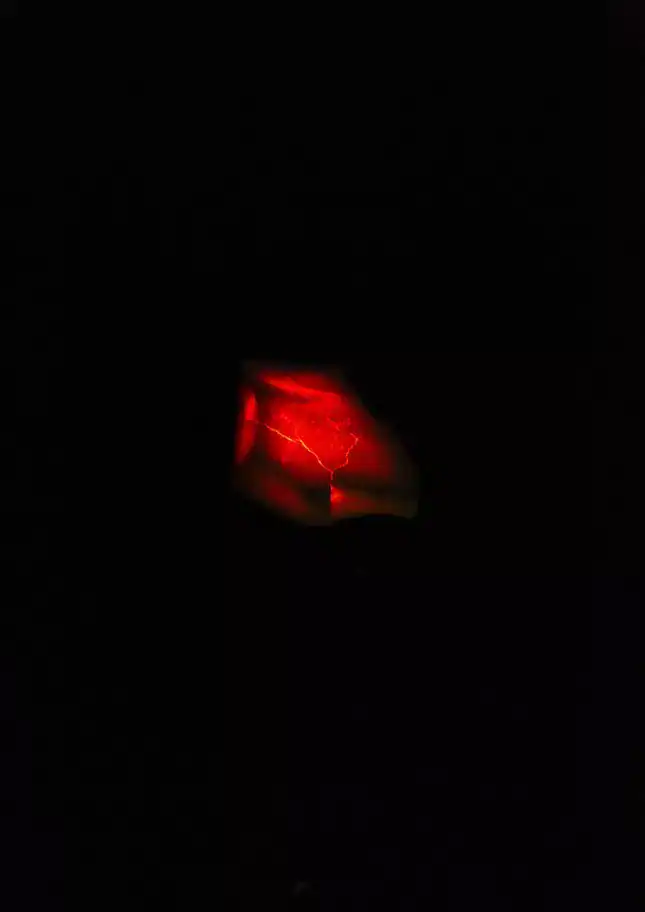
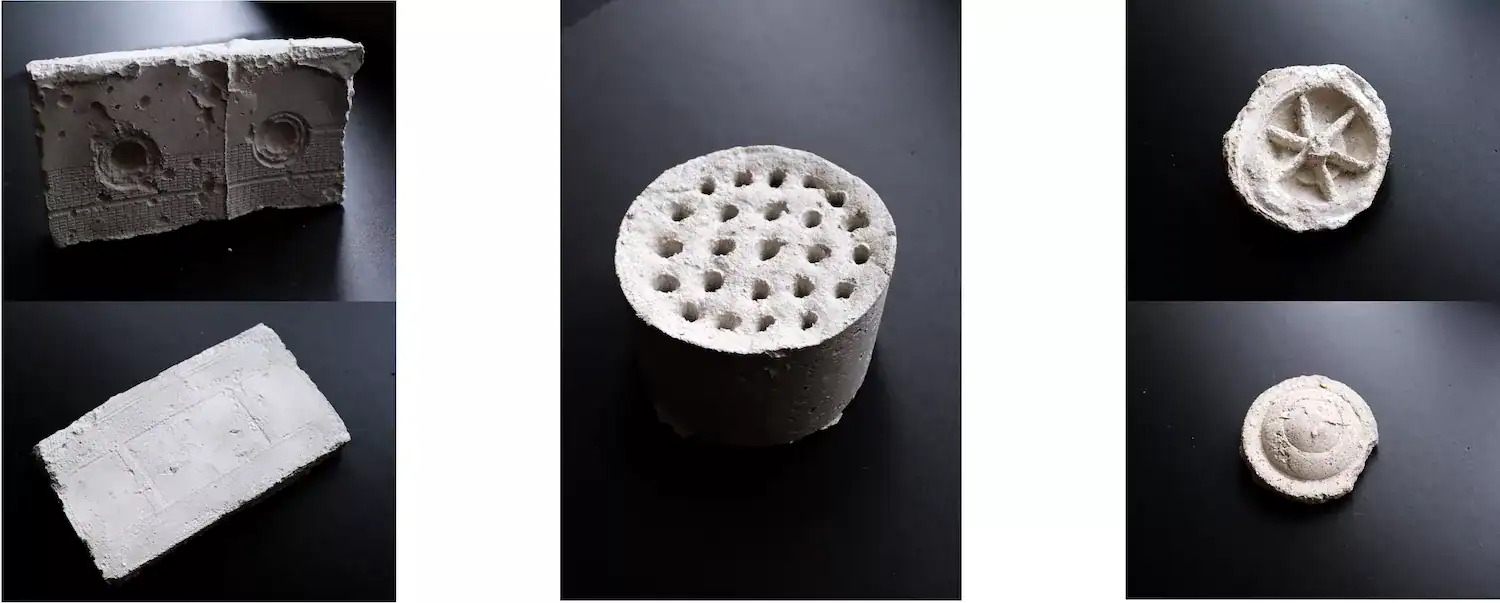
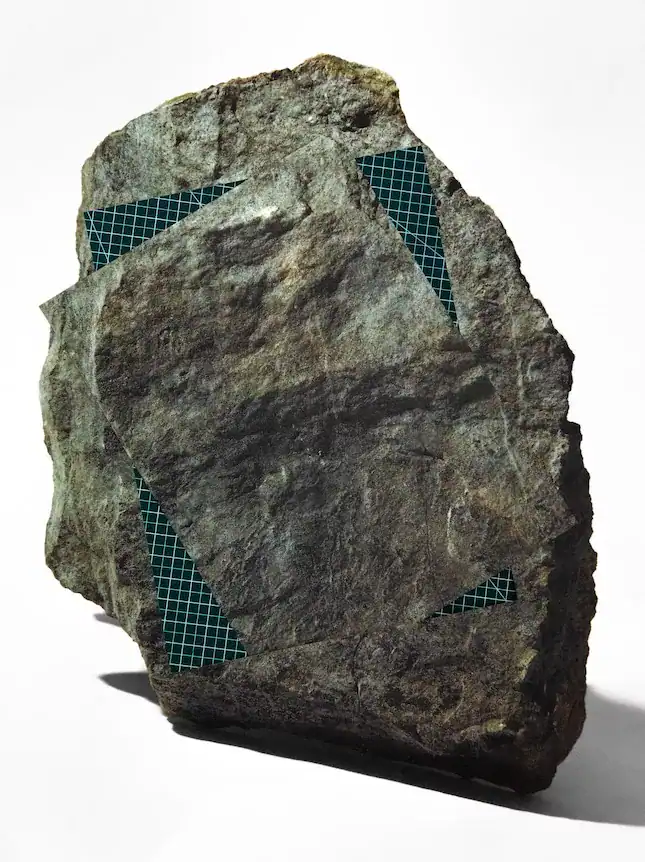
While excavating materials from the disappeared place, I retrace the paths they have taken. The life cycle of limestone, mined from a sierra, was heated in a kiln, turned into cement for construction, and eventually torn down and broken. Components that once belonged to the place—stones, soil, dust, and ashes—have not been obliterated; they have simply turned into something else, in different forms. Still, the effort to collect and assemble them cannot bring the disappeared place back to life. A space is not merely an accumulation of materials; it is a living experience in relation to the flow of time.
In the end, I might prove that everything I have been doing is futile. However, through this futile effort, I imagine fulfilling my yearning to interact with lost things and watch them revive within their cycles of matter. Although I cannot rebuild what has been lost, I continue to gather its remnants, remold them, and envision a future for the vanished place. In the end, I might prove that everything I have been doing is futile. However, through this futile effort, I imagine fulfilling my yearning to interact with lost things and watch them
‹LIME›
튜나리
나를 벗어난 시간, 내가 살지 않았지만, 영향을 받지 않았다고는 말할 수 없는 오랜 시간 전의 무언가를 발견하고 대화를 꿈꾼다. 그 연결을 느끼기 위해서 기꺼이 땅과 그 땅을 품고 있는 장소에 대해 애정을 쏟는다. 아주 작은 단서를 통한 발견물은 사라진 장소의 이야기를 소환하고 그 이야기로 단절된 미래를 다시 그려나간다.
여기, 사라져버린 장소가 있다. 2024년 8월, 초량3동 659번지 일원의 모습이 완전하게 사 라져버렸다. 나와 우리 가족의 형성에 아주 큰 역할을 해주었던 나의 고향이 자취를 감춘 것이다. 내가 기억하던 작고 다양한 이층집들의 모습과 그 사이사이를 이어주던 골목길도 더는 형태를 찾아볼 수 없다.
존재했지만 지금은 보이지 않는 세계를 구성하던 재료를 찾기 위해 현재에서 과거로 파내려간다. 파편화되어서야 비로소 보이는 물성들을 다시 결합해서 눈에 보이는 실체를 만들기 위해 그것들이 어디에서 왔는지, 언제 왔는지, 어떻게 왔는지를 추적한다.
사라진 공간을 구성했던 물질들을 추적하며 그것이 지나온 경로를 되새긴다. 석회석이 산맥 에서 캐내어지고, 가마에서 태워지고, 시멘트로 변해 건축물이 되었다가, 시간이 흘러 철거 되어 다시 부서지는 순환의 과정. 돌과 흙, 먼지와 가루. 장소를 이루던 구성 요소들은 사라 진 것이 아니라, 또 다른 형태로 변화했을 뿐이다. 그러나 그것을 다시 모으고 결합한다고 해서, 사라진 장소를 복원할 수 있는 것은 아니다. 공간은 물질로만 이루어진 것이 아니라, 그 안에 흐르던 시간과 관계 속에서 살아가기 때문이다.
결국, 나의 행위는 무용한 짓일지도 모른다. 그러나 이 무용한 행위를 통해 바라마지 않았 던 것들과 대화를 시도하고, 물질의 순환 속에서 다시 구축될 가능성을 상상한다. 복구는 불가능하지만, 그럼에도 불구하고 흔적을 주워 모으고, 다시형태를 만들고, 사라진 장소의 미래를 그려내기 위해 시도한다.
TUNALEE
Tunalee’s work can be described as a process of folding back history and engaging in artistic archaeology. Beginning with the question of whether physical properties and memories of lost places can be restored, Tunalee traces the remnants of places that are physically gone but still alive in our memories and hearts, reconstructing their sense of place and temporality through a plastic language. By following the journeys and cycles of materials that once composed these places, Tunalee explores the possibilities of plastic practices
informed by memory.
튜나리
튜나리의 작업은 ‘역사를 뒤로 접어보는 작업’이자 ‘Artistic Archaeology(기억과 장소의 고고학)'라고 말할 수 있다. 그의 작업은 사라진 장소의 물성과 기억의 복원 가능성에 대한 탐구에서 출발한다. 물리적으로는 사라졌지만 여전히 우리의 기억과 ‘안’에 남아 있는 장소들, 그 잔재들을 추적하며 장소성과 시간성을 조형 언어로 재구성하는 데에 관심을 가진다. 특히 장소를 이루던 재료의 흐름과 순환 과정을 따라가며, 기억을 매개로 한 조형 실천의 가능성을 모색한다.