Kim Bo-won
Department of Fine Arts
Department of Fine Arts
Through this field study to Nantes, we explored sustainable urban regeneration. My focus was not only on the bright side of this government-led project but also on its shadows hidden in propaganda. I also investigated the disparity between the ideal and the reality of the community members.
I. Objective
This research aims to identify urban regeneration cases applicable to the situation in Korea from the overseas examples.
II. Extent of the Research
This research looks into both the ideal and reality of urban regeneration and the disparity between them.
III. Research Methods
I researched the history of Nantes and data on how the city has developed over time. I investigated whether any residents were negatively affected by government-led urban development. Also, I inspected how the people involved in this project dealt with the problems whenever there were conflicts. I also visited art institutions in Nantes to study the roles of art in urban planning from the artist’s perspective.
IV. Results
Sunday, November 11th
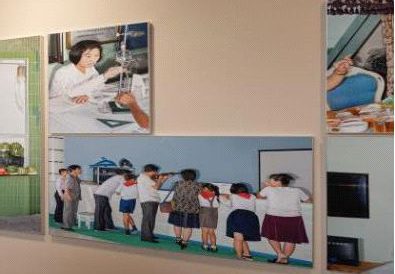
After arriving in Paris, I visited Paris Photo, a world-renowned photography fair. I was impressed after learning about a photographer, who had captured the images of North Korea, won the Leica Oskar Barnack Award. Because it was Armistice Day, everywhere in Paris was crowded with rallies and commemorative ceremonies. Despite the traffic control and paralysis of public transportation, the Parisians I saw did not seem to mind it much but enjoyed the national holiday.
Monday, November 12th
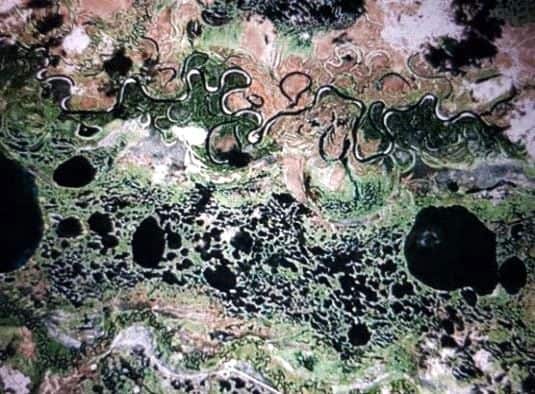
After traveling from Paris to Nantes, I took a tram to visit the Nantes Saint-Nazaire school of fine art in the center of the Island of Nantes. The students of the Nantes Saint-Nazaire school of fine art hosted an exhibition on the swamps and nature of Suncheon Bay in Korea. Following the exhibition opening, all students, including me, attended a banquet. I had an opportunity to hang with people born and raised in Nantes and ask them about their lives in the city.
Tuesday, November 13th
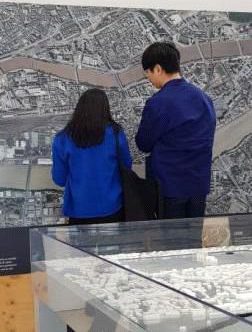
I toured the National Superior School of Architecture of Nantes and studied how the school buildings interacted with the citizens’ lives. The design of the buildings was quite interesting. The building was on a paved road without any additional flooring material. Because it used an operable glass wall, outsiders could know what was happening in the school lecture hall anytime. It was also impressive to learn how the school was positively influencing the local community and vice versa by establishing partnerships with the local corporates and providing better educational opportunities for students. Besides, I visited SAMOA and took a lecture on the progress of the Nantes urban project there. I also had a chance to look at an aerial view of the decade transformations of the Island of Nantes.
Wednesday, November 14th
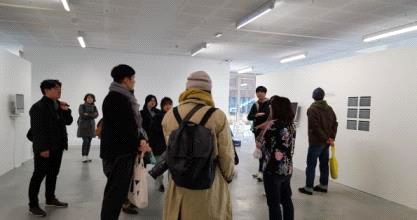
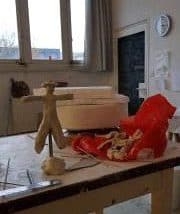
I toured an artist residence run by an artist association, Atelier Bonus. It was a chance to see how artists worked in Nantes after graduating from art colleges. To self-sustain, the artists formed the ASSO with their peers and continued their artistic activities with government subsidies. One of the ASSO executives told me about Atelier Bonus and asked me many questions about art communities in Korea.
Thursday, November 15th
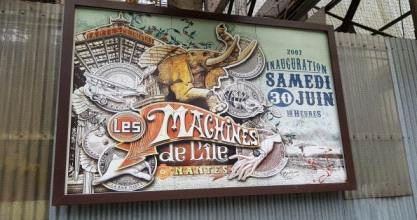
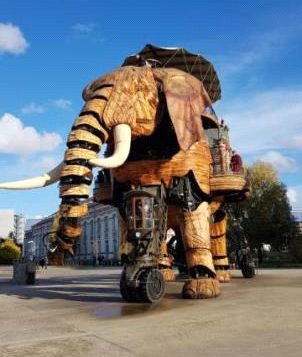
After visiting the Fine Arts Museum of Nantes, I went to see a well-known artwork in Nantes, a mechanical elephant. The Nantes project, L’ile de machine, was seen as an art project that revived Nantes, embracing the city’s characteristics as the old center of shipyard business. The eyes of the mechanical elephant, closely resembling real eyes, that I encountered inspired me to get started on my work.
Friday, November 16th
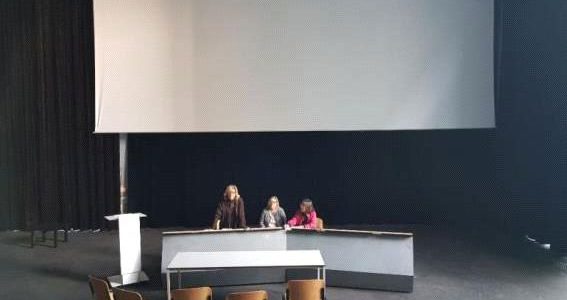
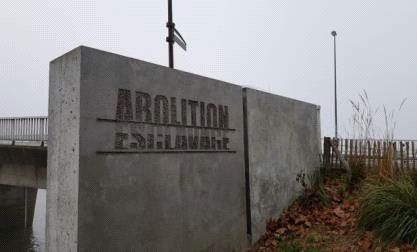
I took a lecture on the project plan at the Nantes Saint-Nazaire school of fine art with many branches in various countries. It was a chance to learn about examples of site-specific art projects. For these projects, the school sent out its students to run projects, interacting with the locals in those countries. Then I visited the Memorial to the Abolition of Slavery on the banks of the Loire River. For over a hundred years, Nantes has been the hub of the European slavery trade. I had time to look at how France, a powerful nation that accumulated wealth from the slave trade in the past, remembered its history.
Saturday, November 17th
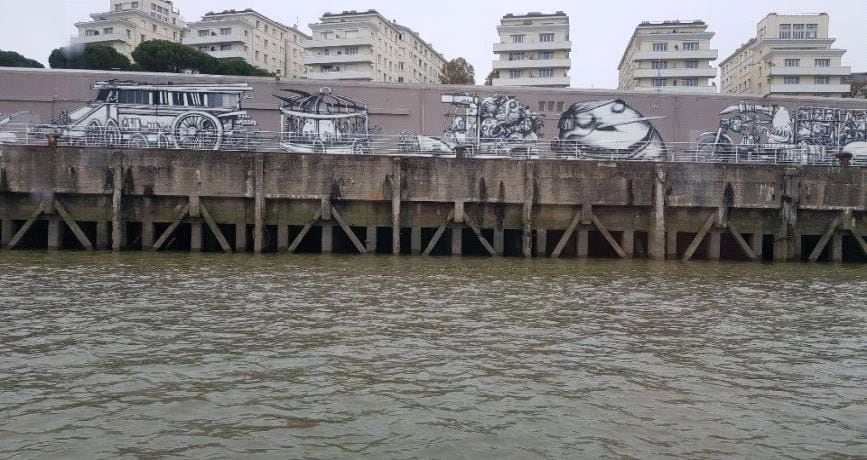
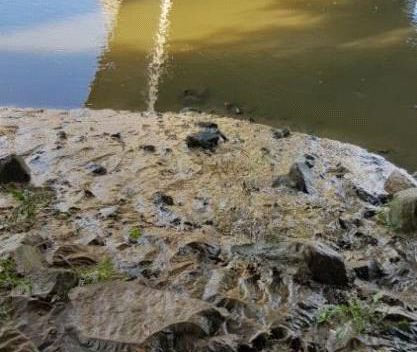
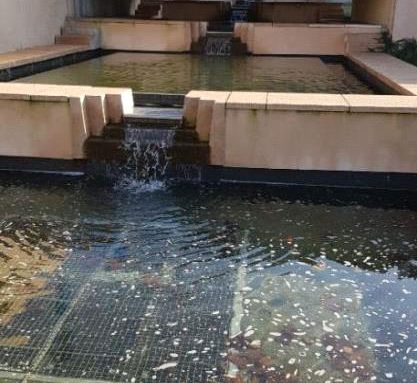
After attending a lecture on the African Project at the Nantes Saint-Nazaire school of fine art, I explored the swamps formed in the eastern the Island of Nantes. The circumference of the artificially extended part of the island was composed of mud. Interestingly, it was in the shape of Styrofoam with an artificial texture. I also toured the Loire River on a cruise. I thought the places where my cruise ship anchored could be perfect stages for art.
김보원
미술원 조형예술과
미술원 조형예술과
이번 낭트 답사를 통해 우리는 지속 가능한 도시 재생에 관한 탐구를 하였다. 내가 중점적으로 보았던 부분은 정부 주도로 진행되었던 거대 도시 재생 프로젝트의 밝고 긍정적인 부분뿐만 아니라 프로파간다에 가려 있던 그림자들이었다. 공동체 구성원의 이상향과 그들의 현실이 어떻게 얼마나 다른지 그 틈을 조사하였다.
I. 연구의 목적 및 중요성
도시재생의 해외 사례를 연구하고 우리나라에 적용할 수 있는 부분을 파악.
II. 연구의 내용과 범위
도시재생의 이상향과 현실을 조사하고 간극을 탐구.
III. 연구 방법
낭트의 역사를 알아보고 시대의 흐름에 맞춰 어떤 방향성을 가지고 발전해왔는지 자료 조사를 한다. 정부의 주도하에 이뤄진 개발 사업으로 인해 피해를 본 거주민은 없었는지 조사하고 반대 세력과의 마찰이 있을 때마다 어떻게 문제를 해결했는지 알아본다. 작가로서 예술이 도시 개발에 어떤 역할을 담당하고 있는지 주요 미술 기관을 탐방하며 탐구.
IV. 연구 결과
1. 11월 11일 일요일
파리에 도착한 후 세계적으로 인지도 있는 사진 박람회 Paris Photo를 관람하였다. 북한의 모습을 카메라에 담은 사진작가가 라이카 상을 받아 인상 깊었다. 종전기념일로 파리 곳곳에서 집회, 기념식이 열렸다. 도로가 통제되고 대중교통이 마비되었지만 불편함을 감수하고 중요한 국경일을 기념하는 파리 시민의 모습을 보았다.
2. 11월 12일 월요일
파리에서 낭트로 이동한 후 트램을 타고 낭트 섬의 중심에 있는 낭트 미대를 견학. 한국의 순천만의 늪지와 자연을 주제로 낭트 미대 학생들이 전시를 기획하였다. 전시 오프닝에 참석한 후 학생들과 만찬을 가짐. 낭트에서 나고 자란 사람들의 삶을 더욱더 가까이서 목격하고 낭트에서의 삶에 대해 격식 없이 물어볼 기회가 되었다.
3. 11월 13일 화요일
낭트의 건축 대학교를 견학하고 학교 건축물이 어떻게 시민의 삶 속에서 상호작용을 하는지 알아보았다. 포장도로 위에 다른 바닥재를 씌우지 않고 그대로 그 위에 건물을 세우고 개폐형 유리 벽을 세워 언제든지 학교의 강연장에서 일어나는 일을 외부 사람들도 알 수 있게끔 디자인을 한 것이 흥미로웠다. 또한, 학교가 낭트에 거점을 갖고 있는 사기업과 협력관계를 맺고 학생들에게 더 좋은 교육 기회를 마련하는 등, 서로 긍정적인 영향을 미치고 있는 모습이 보기 좋았다. 또한, 낭트 섬의 창의 구역에 있는 ‘SAMOA’를 방문하여 낭트 도시재생 사업이 어떻게 진행되고 있는지 강의를 들었다. 지난 수십 년간 변모해온 낭트 섬의 조감도를 볼 수 있었다.
4. 11월 14일 수요일
아뜰리에 보뉘스(Atelier Bonus)라는 예술가 협회가 운영하는 예술가 레지던스를 견학하였다. 미대를 졸업한 이후에 예술가들이 어떻게 낭트에서 활동을 할 수 있는지 볼 좋은 기회였다. 그들은 자생력을 갖기 위해 뜻이 맞는 사람들끼리 ‘ASSO’를 형 성하고 국가의 보조금을 받아 예술 활동을 이어가고 있었다. ‘ASSO’운영진 중 한 분이 ‘아뜰리에 보뉘스’에 대한 설명을 해주셨는데 한국의 예술계 상황에 대해서도 많은 질문을 하셨다.
5. 11월 15일 목요일
낭트 시립미술관을 관람한 후 낭트에서 잘 알려진 예술 작품인 기계 코끼리를 보러 갔다. 낭트의 아트 프로젝트 <L’ile de machine>은 원래 조선소 사업을 주로 했던 낭트의 특성을 살린 예술 사업이라는 평을 받고 있다. 실제로 마주한 낭트 코끼리의 실제 같은 눈동자는 나의 작업을 시작하는 데 중요한 실마리가 되었다.
6. 11월 16일 금요일
여러 나라에 분교를 세우고 있는 낭트 미대의 프로젝트 계획에 대한 강의를 들었다. 자교 학생들을 파견해 그 나라의 주민들과 교류하며 진행한 장소 특정적 예술 프로젝트의 여러 사례를 들을 수 있었다. 강의가 끝난 후 르와르강 변에 세워진 노예해방 기념관을 찾아가 보았다. 100년이 넘도록 낭트는 유럽 노예무역의 가장 주요한 거점으로 자리 잡아 왔다. 선대가 저지른 죄악으로 대대손손 부를 축적하고 지금까지도 국제 사회에서 강한 영향력을 끼치는 그들이 어떻게 자신들의 과거를 기억하는지 생각해보는 계기가 되었다.
7. 11월 17일 토요일
낭트 미대의 ‘아프리카 프로젝트’에 대한 강의를 듣고, 낭트 섬 동쪽에 생성된 늪지를 탐방하였다. 인공적으로 증축된 섬의 둘레는 진흙으로 이루어져 있었는데, 진흙의 모습이 마치 스티로폼을 조각해 만든 것처럼 인위적인 텍스쳐여서 흥미로웠다. 유람선을 타고 르와르강을 둘러보기도 했는데 배가 정박하던 곳들이 어쩌면 좋은 미술적 무대가 될 수도 있겠다는 생각을 했다.