LEE CHULHO
About 55 percent of the global population lives in cities. In Korea more than 90 percent of its population lives in cities. The speed of urbanization is getting slower, but most people already live in cities, and this will not change very quickly.
This urbanization is highly capitalistic, practical and systematic.
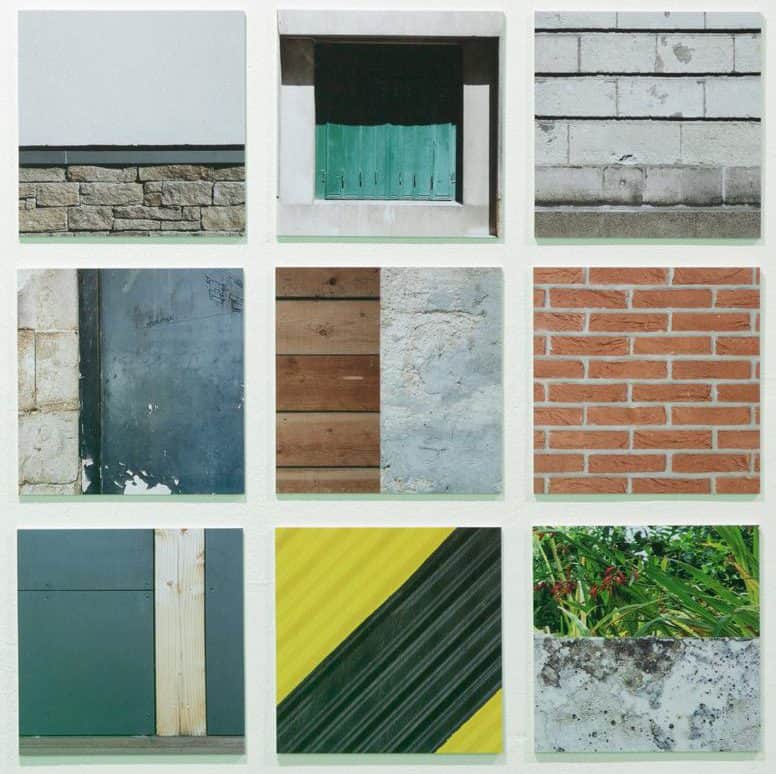
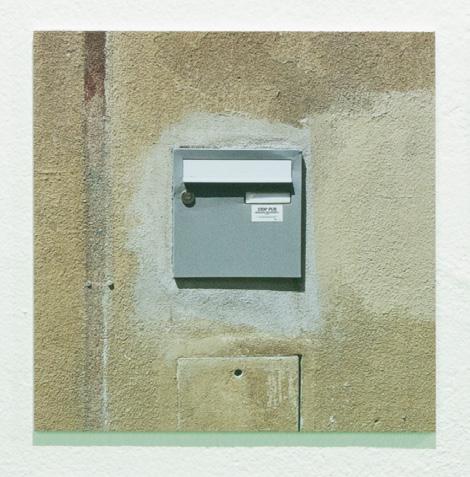
It is very similar to the evolutionary history of human life. Just as the development of the circulatory system is the first step in the emergence of primates, connections to traffic, water and sewage are key to the city. The buildings that directly benefit from those infrastructures will serve as cells, the basic composition of life. Therefore, the simplest and most familiar way of interpreting a city is to recognize the patterns that appear in the buildings. In this work I flatten the scenes, making the three-dimensional into two-dimensional space.
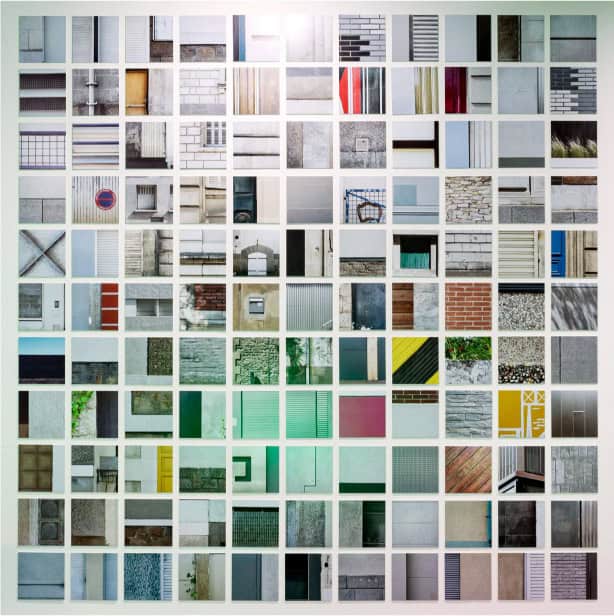
The elements that are emphasized as a result reveal colors and textures. The work minimizes the three- dimensional distortion experienced by the body and communicates a stranger’s view of Nantes. Each pixel directly represents a precise location in the city. It is a relatively slow-shifting city but also a good example of successful urban renewal. Its traces of change are colorful. I want to share it with others in the easiest and simplest way.
About 55 percent of the global population lives in cities. In Korea more than 90 percent of its population lives in cities. The speed of urbanization is getting slower, but most people already live in cities, and this will not change very quickly.
This urbanization is highly capitalistic, practical and systematic.
It is very similar to the evolutionary history of human life. Just as the development of the circulatory system is the first step in the emergence of primates, connections to traffic, water and sewage are key to the city. The buildings that directly benefit from those infrastructures will serve as cells, the basic composition of life. Therefore, the simplest and most familiar way of interpreting a city is to recognize the patterns that appear in the buildings. In this work I flatten the scenes, making the three-dimensional into two-dimensional space.
The elements that are emphasized as a result reveal colors and textures. The work minimizes the three- dimensional distortion experienced by the body and communicates a stranger’s view of Nantes. Each pixel directly represents a precise location in the city. It is a relatively slow-shifting city but also a good example of successful urban renewal. Its traces of change are colorful. I want to share it with others in the easiest and simplest way.
이철호
약 55%의 인류가 도시에서 살아간다. 한국 역시 인구 90% 이상이 도시에 거주한다. 도시화 속도는 갈수록 더뎌지지만 인류의 대부분은 도시에 살고 있고, 앞으로도 계속 살아가리라 예측한다. 도시가 형성되는 과정은 매우 자본적이고, 기능적이며 체계적이다.
하지만 생명체의 진화 과정과 매우 비슷한 양상을 보인다. 순환계의 발단이 영장류 등장의 첫 단계이듯이 도시의 순환계 역할을 담당하는 도로와 상하수도 등의 사회기반시설이 있다. 그 직접적인 혜택을 받는 건물은 생명체의 기본 구성인 단세포와 같은 역할을 하게 된다. 그렇기에 건물에서 나타나는 무늬를 직접적으로 인지하는 것은 도시를 해석하는 데 있어서 가장 단순한 방법이며 친숙하다.
도시의 무늬를 표현하는 형식에 있어서 입체적인 공간감을 최대한 삭제하고 그 장면을 평면처럼 찍어 누른다. 이로 인해 강조되는 요소는 사물의 색감과 질감이 매우 드러난다. 입체와 색이 만드는 3차원적 왜곡을 최소화하는 작업이며, 타자가 낭트를 공유하는 데 있어서 효과적인 전달 방식이 될 것이다.
각 픽셀은 낭트의 세부적인 위치를 직접적으로 대변한다. 비교적 느리게 변하는 유럽이지만 도시재생의 성공사례로 대표성을 갖는 장소인 만큼 이곳은 변화의 흔적 또한 다채롭다. 그것을 인식하는 가장 쉽고 단순한 방법을 통해 타자와 공유하고자 한다.
약 55%의 인류가 도시에서 살아간다. 한국 역시 인구 90% 이상이 도시에 거주한다. 도시화 속도는 갈수록 더뎌지지만 인류의 대부분은 도시에 살고 있고, 앞으로도 계속 살아가리라 예측한다. 도시가 형성되는 과정은 매우 자본적이고, 기능적이며 체계적이다.
하지만 생명체의 진화 과정과 매우 비슷한 양상을 보인다. 순환계의 발단이 영장류 등장의 첫 단계이듯이 도시의 순환계 역할을 담당하는 도로와 상하수도 등의 사회기반시설이 있다. 그 직접적인 혜택을 받는 건물은 생명체의 기본 구성인 단세포와 같은 역할을 하게 된다. 그렇기에 건물에서 나타나는 무늬를 직접적으로 인지하는 것은 도시를 해석하는 데 있어서 가장 단순한 방법이며 친숙하다.
도시의 무늬를 표현하는 형식에 있어서 입체적인 공간감을 최대한 삭제하고 그 장면을 평면처럼 찍어 누른다. 이로 인해 강조되는 요소는 사물의 색감과 질감이 매우 드러난다. 입체와 색이 만드는 3차원적 왜곡을 최소화하는 작업이며, 타자가 낭트를 공유하는 데 있어서 효과적인 전달 방식이 될 것이다.
각 픽셀은 낭트의 세부적인 위치를 직접적으로 대변한다. 비교적 느리게 변하는 유럽이지만 도시재생의 성공사례로 대표성을 갖는 장소인 만큼 이곳은 변화의 흔적 또한 다채롭다. 그것을 인식하는 가장 쉽고 단순한 방법을 통해 타자와 공유하고자 한다.