The hour for short–lived wings
Ryu Jun–yeol
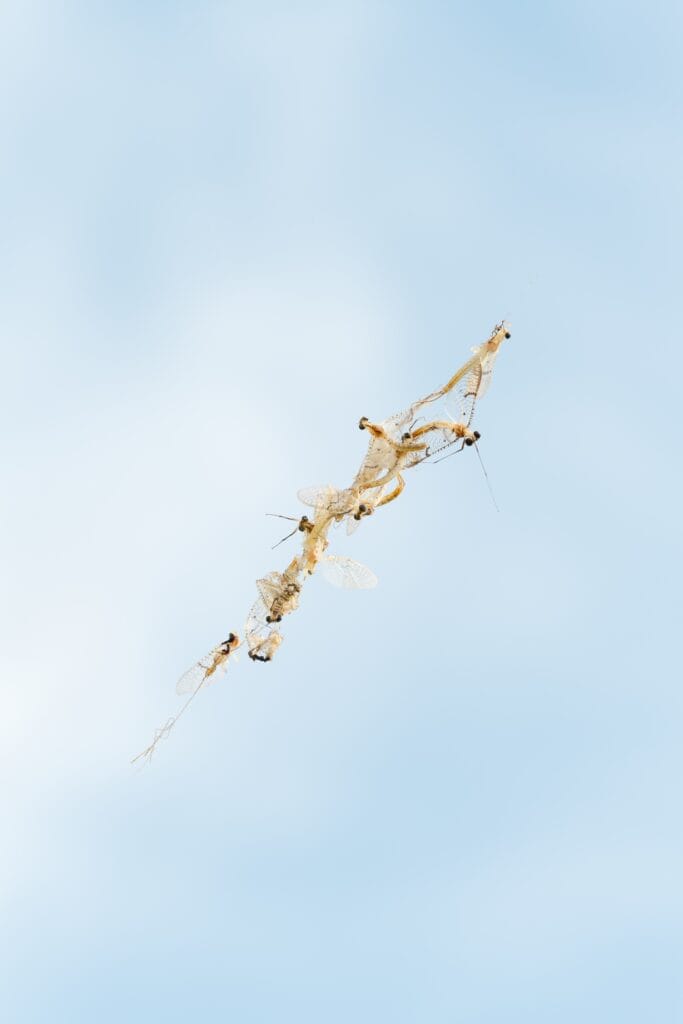
Dayflies are named “dayflies” because they have a short lifespan as adults, during which their functional mouths have undergone degeneration. However, before they are mature, dayflies live in water for months or even years at maximum. “Ephemeroptera”, the scientific name for dayflies, can also be interpreted as “short–lived wings.” Considering this, it seems more convincing to call them short–lived wings instead of trying to pigeonhole them into a day–length time by their name.
By humans, dayflies are classified within the infraclass of “Paleoptera.” The word “Paleoptera” means “old wings.” Simply put, dayflies have been “old wings” before they were “short–lived wings.” They were believed to have appeared on Earth about 300 million years ago in the late Carboniferous period of the Paleozoic era. In contrast, modern humans are estimated to have appeared about 0.2 million years ago, and even Australopithecus, well–known as an ancestor of humans, only 4 million years ago.
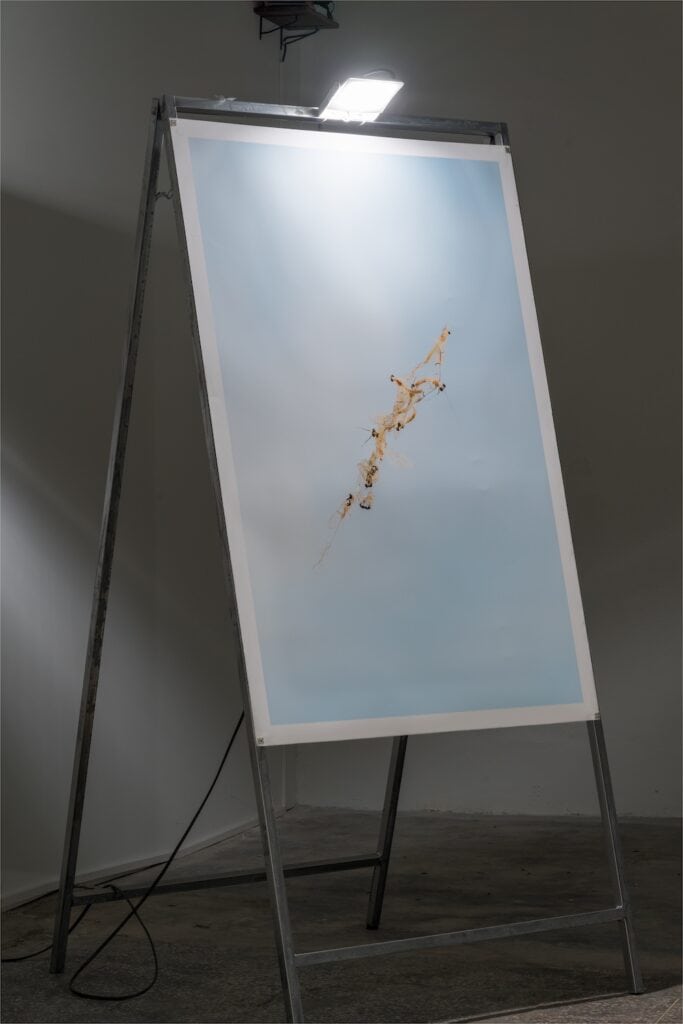
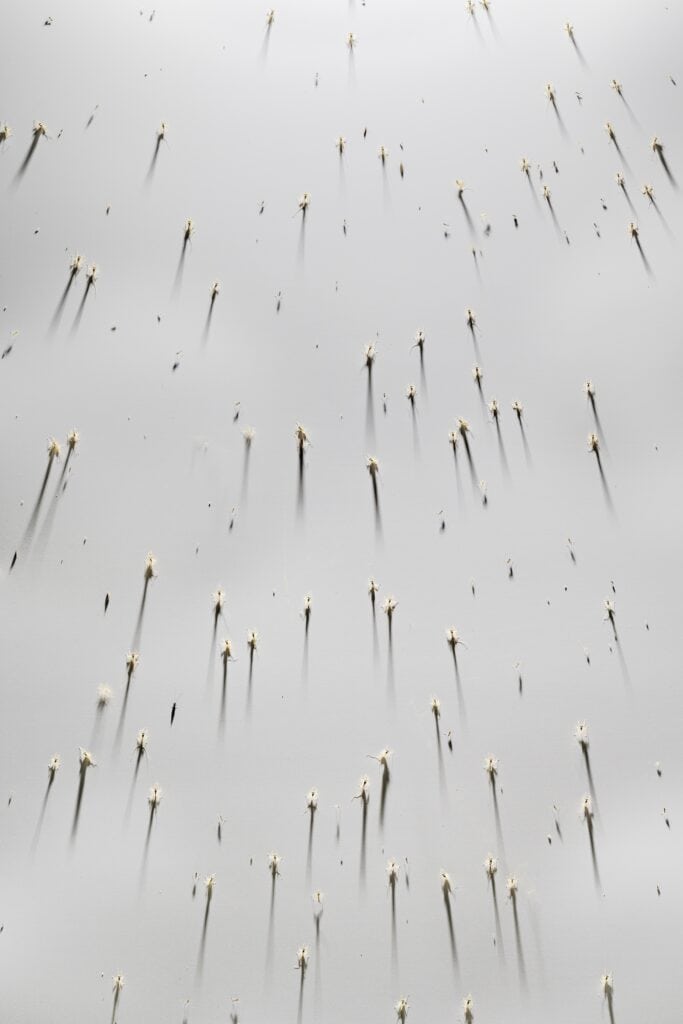
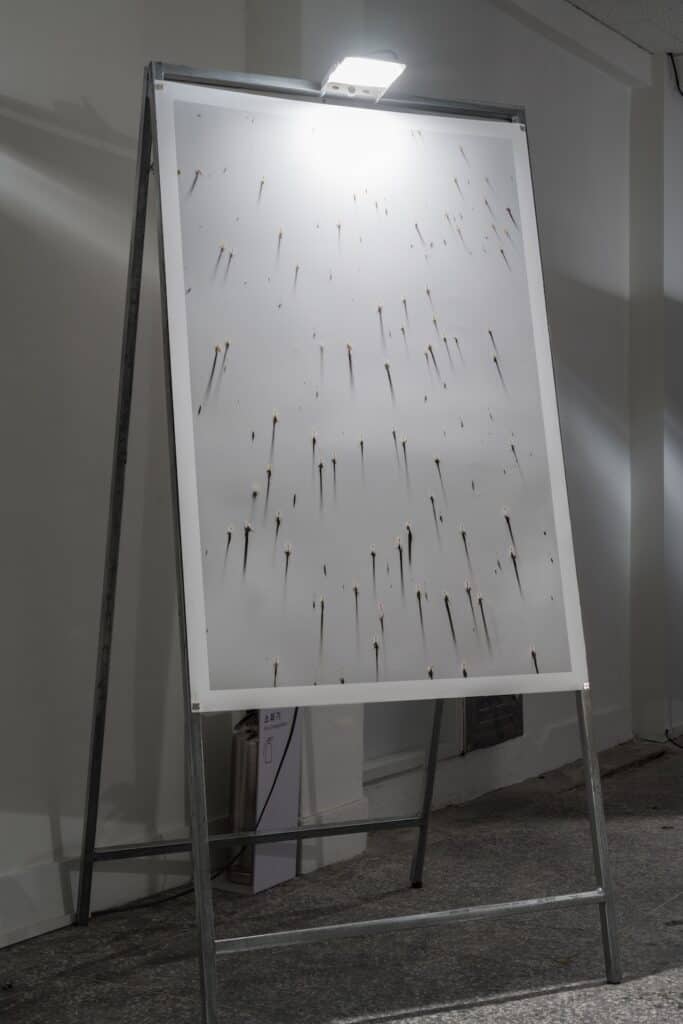
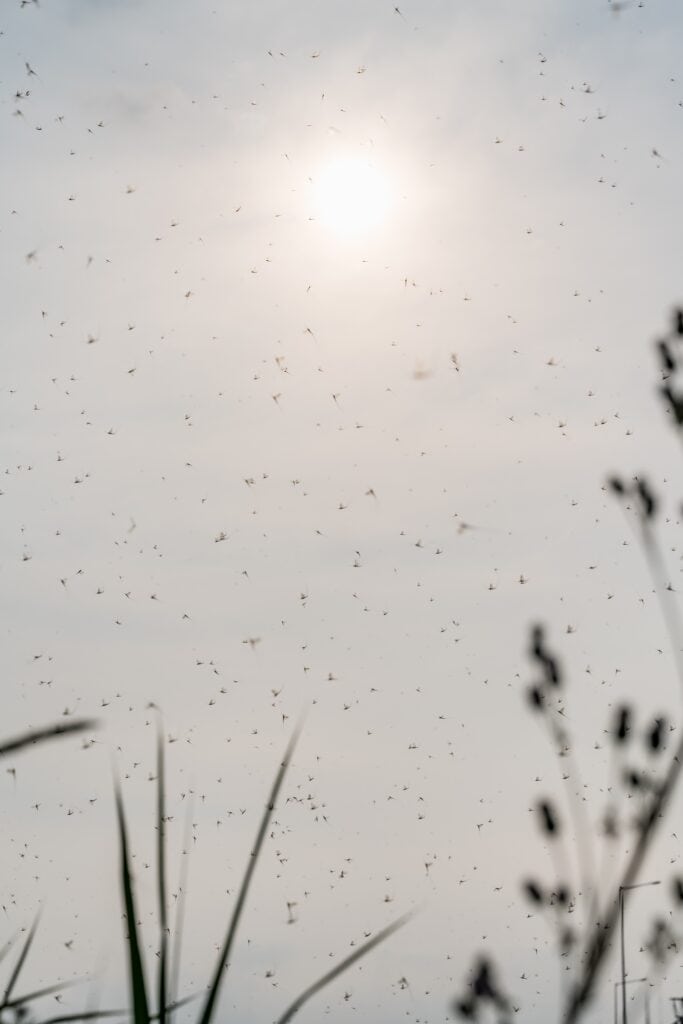
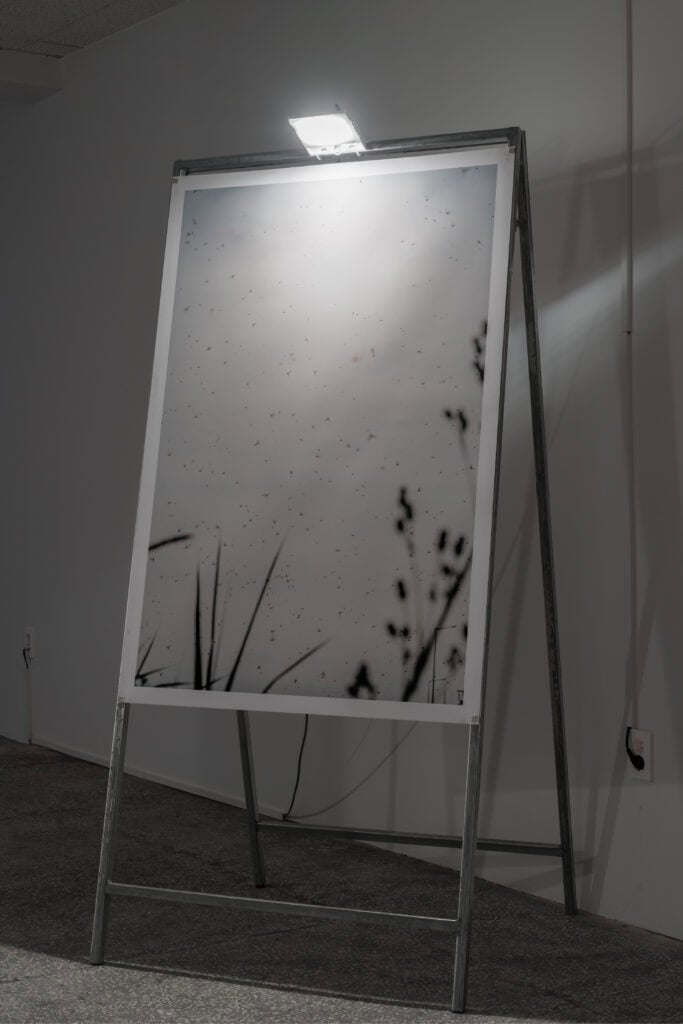
Two species, so–named “short–lived wings” and self–proclaimed “wise men,” have come into contact very late in human history. rivers purified for cities have become suitable environments for dayflies, which are highly sensitive to water quality. Additionally, the lights on the riverbanks have been attractive enough to draw dayflies to cities. Thanks to all these factors, every summer, the riverbanks of Namyangju City, located in one of the water source protection zones, make a splendid view of the sky brimming with swarms of dayflies and gigantic glowing sticky boards fighting against them.
Sometime last May, when adult dayflies soared in the air, I remember encountering a post on X saying, “In France, twilight is called the hour of dogs and wolves. In Korea, it should be the hour of dayflies.” It may be a little digressive, but in response to this comment, I want to say it should be “the hour for short-lived wings” if the moment ought to be named after the dayflies–to honor the wings, which have been short–living since ancient times, long before mammals, let alone dogs and wolves, appeared on Earth.
‹단명하는 날개들의 시간›
류준열
하루살이에게 하루살이라는 이름이 붙은 이유는 이들이 성충 단계에서 입이 퇴화되어 먹지 못해 단명하기 때문이 다. 그러나 사실 이들은 성충이 되기 전까지 짧으면 몇 달에서 길게는 몇 년의 시간을 물속에서 보낸다. 하루살이목의 학명인 Ephemeroptera는 ‘단명하는 날개’ 정도로 해석할 수 있는데, 하루라는 시간에 이들의 존재를 끼워 맞추기보다는 단명하는 날개라고 부르는 쪽이 좀 더 설득력 있게 느껴지기도 한다.
이 하루살이라고 불리는 존재들은 인간의 분류상으로는 고시류(古翅類, Paleoptera)에 속한다. 고시류란 ‘오래된 날개’라는 뜻이다. 그러니까 하루살이는 단명하는 날개이기 이전에 오래된 날개인 셈이다. 실제로 이들은 지금으로 부터 약 3억 년 전인 고생대 석탄기 후기쯤 지구상에 출현했다고 한다. 반면 현생인류는 약 20만 년 전, 인류의 조상으로 여겨지는 오스트랄로피테쿠스조차 겨우 400만 년 전에 등장한 것으로 추정되고 있다.
타칭 ‘단명하는 날개’와 자칭 ‘슬기로운 사람’인 두 종의 삶이 직접적으로 맞닿게 된 것은 인간의 짧은 역사 속에서도 극히 최근의 일이다. 도시를 위해 정화된 강물은 수질에 민감한 하루살이에게 적합한 환경이 되었고, 강변의 야경은 그들을 도시로 유인했다. 덕분에 상수원 보호구역에 위치한 남양주시의 강변은 매년 여름마다 하늘을 매운 하루살이 떼와 그에 맞서 빛을 발하는 거대한 끈끈이 보드들로 장관을 이룬다.
한창 하루살이 성충들이 날아오르던 지난 5월 즈음 트위터에서 ‘프랑스에서는 해질녘을 개와 늑대의 시간이라고 부르는데, 대한민국의 해질녘은 동양하루살이의 시간이라고 불러야 한다.’ 같은 글을 본 기억이 있다. 의미가 들어 맞는 대응은 아니지만, 굳이 이들에게서 이름을 따오자면 단명하는 날개들의 시간이라고 부르고 싶다. 개와 늑대는 커녕 포유류조차 등장하지 않았던 고대부터 단명해 온 날개들을 기리는 의미에서.
Ryu Jun–yeol
Ryu Jun–yeol’s artistic interest is oriented around the placeness of peripheral areas. He conducts his work based on research and field trips. In 2020, Ryu held an exhibition titled, “Archive of Absence,” which consisted of photographs of the Dunchon Jugong Apartments and debris from their site before demolition due to the reconstruction project. Lately, he has been focusing on correlations between nonhuman entities and cities surrounding the Han river while tracing the phenomenon of dayfly emergence in Namyangju (city). Ryu was the winner of the 2019 Mirae Award..
류준열
류준열은 주로 변두리의 장소성에 관심을 가지고 연구와 현장학습을 기반으로 작업을 진행하고 있다. 재건축으로 사라진 둔촌 주공아파트의 마지막 풍경과 그곳에서 수집한 물품들을 함께 구성한 ‹부재의 아카이브›(2020) 작업을 발표한 바 있으며 현재는 남양주시의 동양 하루살이 대 발생 현상을 추적하며 한강을 둘러싼 비인간 존재들과 도시 간의 관계에 집중하고 있다.